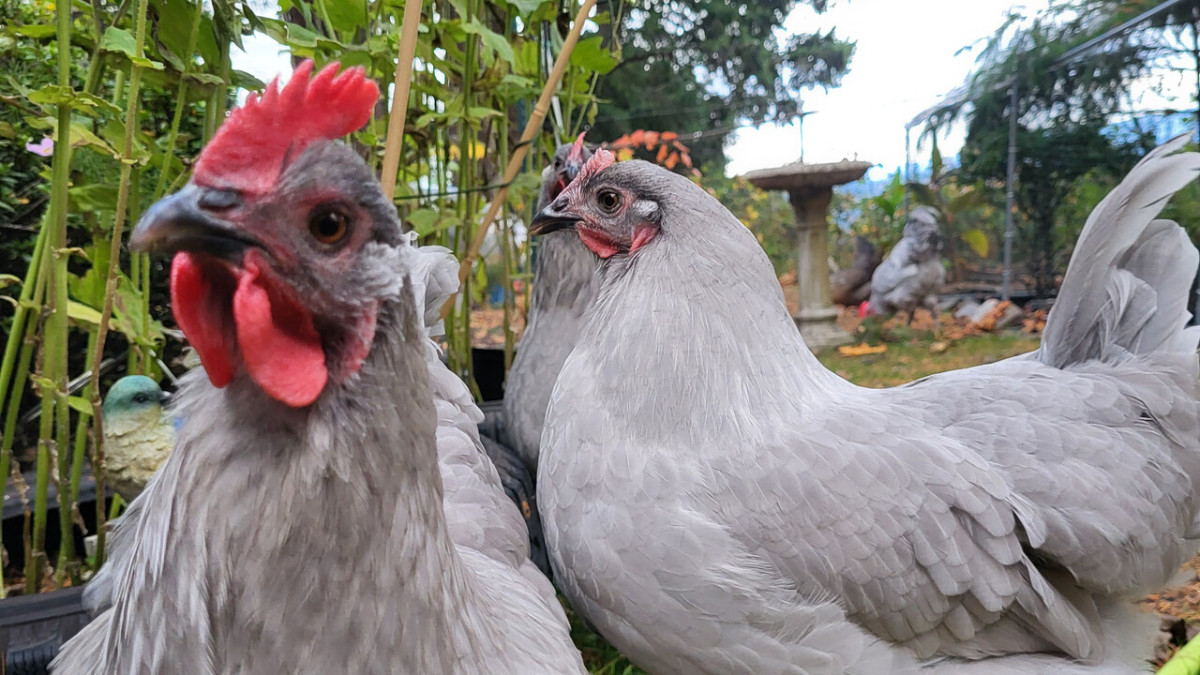
A garden shared with chickens doesn't have to look like a war zone. With the right plant choices and a few smart strategies, you can create a space that's beautiful, productive, and perfectly safe for your flock. The trick is understanding which plants chickens will ignore, which ones actually benefit their health, and which ones need protection until they're tough enough to survive curious beaks and relentless scratching.
Chickens are natural allies in the garden - they devour slugs, grasshoppers, and other pests, and their manure is one of the richest fertilizers available. But they're also enthusiastic diggers who will uproot seedlings, dust-bathe in freshly tilled soil, and strip tender greens to the stem if given half a chance. The key is choosing plants that are tall enough, tough enough, or unappealing enough to coexist with your flock - while offering real nutritional and medicinal value along the way.
Herbs That Boost Flock Health and Deter Pests
Herbs are the backbone of any chicken-friendly garden. Most culinary herbs are safe for chickens, and many carry genuine medicinal properties that support your flock's wellbeing year-round. Better yet, chickens tend to leave strongly scented herbs alone, making them some of the most resilient plants you can grow near a coop.
Oregano stands out as a powerhouse - it's being studied as a natural broad-spectrum antibiotic effective against Salmonella, E. coli, avian flu, and coccidiosis. Thyme offers antibacterial and antifungal properties that benefit the respiratory system. Rosemary improves circulation and doubles as an insect repellent, while lavender calms birds and freshens the air around the coop. Peppermint and spearmint repel rodents and pests, and peppermint is notably high in iron and calcium - important nutrients for laying hens.
| Herb | Key Benefits for Chickens | Usage Tips |
|---|---|---|
| Oregano | Natural antibiotic; fights Salmonella, E. coli, coccidiosis | Fresh or dried in feed; plant near coop |
| Thyme | Antibacterial, antifungal, respiratory support | Hang fresh sprigs in nesting boxes |
| Wormwood | Potent natural dewormer; repels external parasites | Use sparingly - powerful plant |
| Sage | Antioxidant, hormonal support | Dry and crush into bedding |
| Tarragon | Stimulates appetite, reduces intestinal worms | Offer fresh clippings |
| Fennel | Boosts egg-laying; lacy flowers attract beneficial insects | Let chickens eat the bugs the flowers attract |
| Lemon Balm | Calming, stress relief, rodent deterrent | Plant in containers - spreads aggressively |
| Nettles | High in iron and calcium for laying hens | Boil first to remove prickles, then feed |
Group pest-repellent herbs like mint, oregano, and lemon balm together for a natural barrier around the coop. Plant them in raised beds or containers to protect seedlings from scratching, and let your flock forage on established plants once they exceed two to three feet in height.
Flowers That Feed, Heal, and Beautify
Edible flowers do more than brighten your yard - many offer genuine health benefits for chickens. Calendula soothes skin and boosts immunity, making it ideal for tucking into nesting boxes. Echinacea supports the immune system. Nasturtiums are particularly valuable: their seeds and flowers act as natural dewormers, and the entire plant has antibiotic and antiseptic properties.
Sunflowers deserve special mention. They're hardy, low-maintenance, and produce seed heads packed with omega-3 fatty acids, protein, and healthy fats. Grow them directly in the chicken run or at a distance so the heads can fully develop. After blooming, cut the heads, let them dry for one to two weeks, and feed the seeds as a high-protein winter treat.
Other safe options include pansies, snapdragons, pea blossoms, hibiscus flowers, squash blossoms, hollyhocks, impatiens, lilacs, peonies, and phlox. Marigolds repel slugs and add bright color. Avoid scented geranium varieties, but unscented geraniums are perfectly safe.
Vegetables and Greens Worth Growing
Chickens and gardeners love many of the same vegetables, which means protection is everything. Kale, Swiss chard, collard greens, mustard greens, cabbage, and romaine lettuce are all nutritious favorites your flock will devour. The solution is raised beds - build four-by-four-foot beds at least two feet high using untreated cedar, and cover them with chicken wire netting until plants are established, typically two to four weeks.
Some vegetables, however, chickens naturally avoid. Garlic, onions, leeks, and chives have strong odors that deter pecking. Potatoes are chicken-proof once mature. Squashes and climbing beans are safe after establishment, and chickens enjoy the blossoms. Asparagus and currant bushes hold up well once they're leafy and established.
- Grow for your chickens: Kale, chard, mustard greens, dandelions, beet greens, broccoli greens, clover
- Grow alongside chickens (they'll ignore these): Garlic, onions, leeks, potatoes, asparagus, established squash
- Offer as treats: One to two handfuls of fresh greens per chicken daily, roughly 10-20% of their diet
Dandelions are a free, zero-effort superfood. Dig them up roots and all from spring through fall and toss them into the run - chickens go absolutely wild for them.
Tough Shrubs and Perennials That Survive Chickens
For structure and long-term durability, nothing beats well-chosen shrubs. Thorny barberry varieties like Sunjoy Mini Maroon are particularly effective - the thorns naturally deter chickens and deer alike, and these non-invasive cultivars require no pruning. Space barberries two to three feet apart for hedges.
Dogwood varieties such as Arctic Fire Red and Yellow grow to half the size of wild red-twig dogwoods - roughly three to five feet - making them perfect for borders. They produce white flowers for pollinators in spring and berries for wildlife later, yet resist browsing. Hibiscus varieties like Dark Lavender Chiffon and Blue Chiffon add dramatic color and benefit from yearly fertilization, which your chickens provide naturally through their manure as they free-range nearby. Space hibiscus three to four feet apart in full sun.
Roses, lilacs, butterfly bushes, junipers, and beautyberry are all safe choices. Ornamental grasses are nearly indestructible - chickens can dig at the root balls endlessly and the plants keep thriving. They provide shade, texture, and color year-round with virtually no maintenance.
Cover Crops and Forage for Free Food
White clover is the ultimate chicken ground cover. It's high in protein (20-25%), recovers quickly from trampling and pecking, reseeds itself, and acts as a living mulch. Broadcast one to two pounds of seed per hundred square feet at a quarter-inch depth and let it establish.
Other valuable cover crops and forage plants include buckwheat, rye, millet, and oats. Comfrey is exceptionally high in protein, calcium, and potassium - hang bunches in the run for a nutrient-dense snack, though use it sparingly. Perennial food sources like mulberry trees, elderberry bushes, and berry brambles provide free long-term chicken food. As mulberries drop, chickens feast beneath the canopy while enjoying the shade.
Dedicating roughly 20-30% of your garden area to forage and cover crops can meaningfully reduce feed costs while improving soil health through natural nitrogen fixation and manure integration.
Plants to Avoid and Protection Strategies
Not everything in the garden is safe. Steer clear of these toxic plants near your flock:
- Nightshades: Green tomatoes, green potatoes, eggplant (solanine and chaconine in unripe parts are dangerous)
- Toxic flowers: Foxglove, lily of the valley, iris, sweet pea, clematis, trumpet vine, rhododendron, azalea
- Toxic shrubs and trees: Oleander, yew, boxwood, holly, nandina, wisteria
- Other hazards: Raw beans, avocado, excessive citrus peels
For protection, use raised beds with chicken wire cloches over seedlings. Hardware cloth with one-inch mesh at three to four feet high works well for fencing off fragile zones. Surround new plantings with pavers or rocks to deter scratching in freshly disturbed soil - chickens find bare earth irresistible.
Rotate chicken access through garden zones: allow two to three days of foraging per area, then rest it for seven to ten days to let plants recover. This mimics natural grazing patterns and prevents any single area from being destroyed.
Putting It All Together
A successful chicken-friendly garden balances resilience with nutrition. Start small - ten to twelve perennial varieties give you year-round yield without overwhelming maintenance. Aim for roughly 40-50% tough shrubs and established vegetables, 30% herbs and flowers, and 20% cover crops and forage. Protect seedlings ruthlessly until they're established, then gradually open areas to your flock.
Remember that chickens contribute as much as they consume. Each bird produces roughly one pound of manure per week - rich, nitrogen-dense fertilizer that feeds your garden naturally. Composted chicken manure (aged four to six weeks to avoid burning roots) transforms ordinary soil into a powerhouse growing medium. The garden feeds the chickens, the chickens feed the garden, and you get to enjoy both.
Sources
- Chicken-Friendly Backyard Landscaping - Fresh Eggs Daily
- Top Ten Easiest Plants to Grow for Chickens
- 10 Essentials for a Chicken Friendly Garden
- Chicken-Friendly Plants Near Your Coop
- Landscape Gardening with Chickens
- Plants Alongside Chicken Coop - Permies Forum
- Best Herbs and Flowers to Grow for Chickens
- 6 Chicken Friendly Shrubs - Proven Winners
- Your Guide to Gardening With Chickens